Guide to La Guajira
Planning a trip to La Guajira? Here's everything you need to enjoy the place where the desert meets the Caribbean Sea: what to see, where to eat, how to get around and the best experiences in Riohacha, Palomino, Cabo de la Vela and beyond.

Plan your trip to La Guajira
About La Guajira
Before visiting a region, it helps to know as much as possible so your trip goes smoothly. Here's everything you need to know about La Guajira: its weather, the best time to go, our top tips for your visit and all about Riohacha, the gateway to the region.
Weather
La Guajira has one of the hottest, driest climates in Colombia, with temperatures between 28 °C and 38 °C and vast desert landscapes in the Alta Guajira. Around Palomino and the Sierra Nevada foothills it's greener and more humid. Pack light clothing, wear sunscreen and always stay hydrated.
When to visit La Guajira
The dry season, from December to April, is the most popular with travelers: clear skies, good wind for kitesurfing and better road conditions into the Alta Guajira. From September to November, rain can make it hard to reach rural areas such as Cabo de la Vela or Punta Gallinas, and birdwatching becomes more difficult too.

Tips for your visit
Where to stay: Riohacha is the most comfortable base, with a good choice of hotels and restaurants. In Cabo de la Vela, the classic option is to sleep at a Wayuu ranchería, in a chinchorro (hammock) or a rustic cabin; Palomino has hostels and eco-hotels by the sea and near the river.
Best times to explore the region: in the Alta Guajira desert, set off early to avoid the fierce midday heat; in Palomino, river tubing is best in the morning, when the water level and light are ideal.
Enjoy the region safely: La Guajira is the ancestral land of the Wayuu people: visit their rancherías respectfully, always book licensed guides and operators to reach Cabo de la Vela or Punta Gallinas (getting there on your own is difficult) and carry plenty of water at all times.
Budget: La Guajira offers everything from budget plans to more exclusive experiences in the Alta Guajira. These figures are for reference only and may vary by season and provider:
- Budget trip: between 150,000 and 220,000 COP per day (hostel or simple lodging, local food, shared transport). This does not include tours or day trips.
- Mid-range trip: between 500,000 and 750,000 COP per day (3–4-star hotel or charming ranchería, beachfront restaurants, a tour such as Palomino or the Los Flamencos Sanctuary).
- High-end/luxury trip: from 1,200,000 COP per day (private tour to Cabo de la Vela, boutique lodging, chef-driven cuisine).
Riohacha, the gateway
On the shores of the Caribbean Sea, Riohacha is the capital of La Guajira and the starting point for most tours to Cabo de la Vela, Palomino, Camarones and Punta Gallinas. Its seafront promenade, Wayuu craft market and seafood make it a must-stop before heading out to explore the region.
How to get there: Riohacha has Almirante Padilla Airport (RCH), with domestic flights; you can also get there overland from Santa Marta (about 3 hours; reference fare 30,000–40,000 COP), Barranquilla (about 5 hours) or Cartagena (about 8 hours).
Things to do in La Guajira
La Guajira is where the desert meets the Caribbean Sea: from sunset at Cabo de la Vela to tubing down the Palomino River, every corner of the region offers something different.
Must-sees
Cabo de la Vela
In the Alta Guajira, about 2–3 hours from Riohacha, Cabo de la Vela brings together desert, sea and ancestral Wayuu culture. The classic route includes the Pilón de Azúcar, Playa de la Virgen and sunset from the old lighthouse, one of the most photographed in Colombia. This experience is now available to book on Exploreti.
Los Flamencos Flora and Fauna Sanctuary
A short drive from Riohacha, near the village of Camarones, this sanctuary protects coastal lagoons where you can see pink flamingos in their natural habitat, along with other migratory birds. We recommend that you book the Los Flamencos Sanctuary day trip with Exploreti.
Palomino
On the edge of La Guajira and the Sierra Nevada de Santa Marta, Palomino is famous for river tubing: floating on an inner tube from the jungle down to where the river meets the Caribbean Sea, a trip of about 3 hours combining hiking and floating. You can also explore the surroundings on horseback, among quiet beaches and mountain scenery. These experiences are now available to book on Exploreti.
Riohacha: seafront and Wayuu craft market
Beyond being the base for tours, Riohacha invites you to stroll its seafront promenade at sunset and visit the Wayuu craft market, where you can buy authentic mochila bags and weavings directly from the communities that make them.
Kitesurfing in La Guajira
The region's steady winds, especially from December to April, make La Guajira one of Colombia's best kitesurfing destinations, for beginners and experienced riders alike. Book your kitesurfing session in La Guajira here.

Most popular activities
Here you'll find the most popular experiences in La Guajira, along with their ratings. Open any of them to learn more.


Getting around La Guajira
Getting around La Guajira means combining city, intercity and off-road transport, depending on where you're headed. Here's what you need to know about each option.
Intercity buses and shared vans
The most common way to reach Riohacha from other cities on the Caribbean coast. Reference fares: from Santa Marta, around 30,000–40,000 COP; from Barranquilla, about 45,000 COP; and from Cartagena, about 60,000 COP.
Moto-taxis and taxis in Riohacha
Within the city, moto-taxis are the most common and cheapest way to get around; taxis are also available for longer trips or when you have luggage.
4x4 vehicles
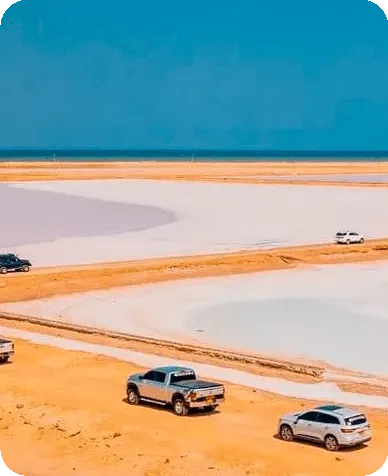
To reach Cabo de la Vela, Punta Gallinas or rural parts of the Alta Guajira, it's best to hire transport with a guide, since the tracks cross unmarked desert terrain; most tours already include it.
From the airport
Riohacha is served by Almirante Padilla Airport (RCH), just minutes from downtown and the seafront.
Food in La Guajira
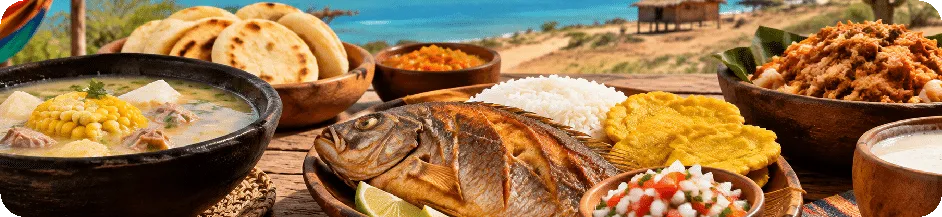
Guajiro cuisine, with its strong Wayuu influence, is a reason to visit the region in itself.
Friche
Goat stewed in its own fat, one of the most iconic dishes of La Guajira and Wayuu tradition.
Shrimp rice
Rice cooked with fresh Caribbean shrimp, a classic of La Guajira's coastal cooking.
Fried fish with patacones
Fresh fried fish served with patacones (fried green plantain) and salad; a sure bet at the beachfront restaurants of Riohacha and Palomino.
Coconut rice
A typical Caribbean-coast side dish made with coconut milk, served with almost every meal in the region.
Where to eat
Riohacha's seafront has the widest choice of seafood restaurants by the sea; in Palomino, the beachside restaurants are the best way to end the day after tubing.
Map of La Guajira
If you're looking to make memories that last a lifetime, you've come to the right place. Since 2020, Exploreti has been selling tickets and bookings for the best events, parks, tours and attractions in Colombia.